No. 002March 8, 2026 · 7 min read
What Spalting Is
How a fungus draws lines through New Hampshire beech.
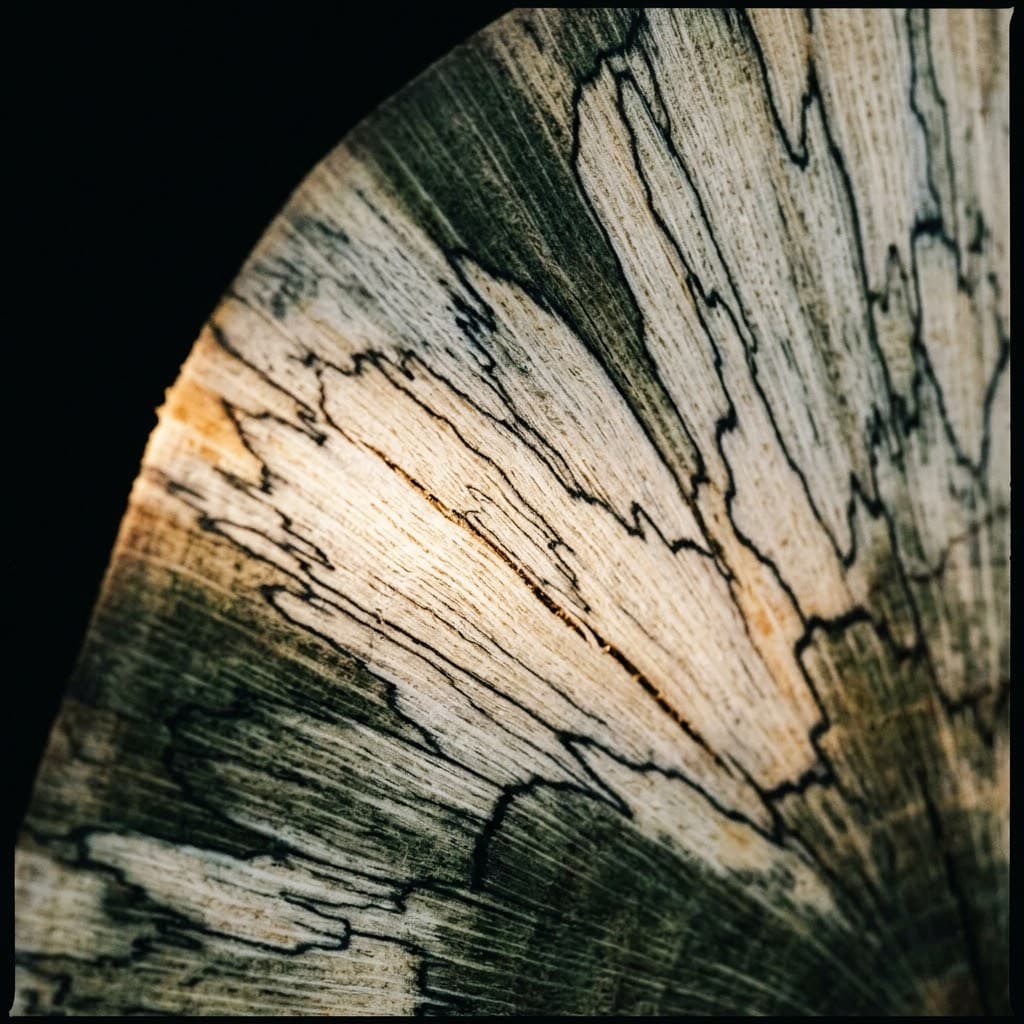
Spalting is what happens when a tree starts to rot, and the rot starts to draw.
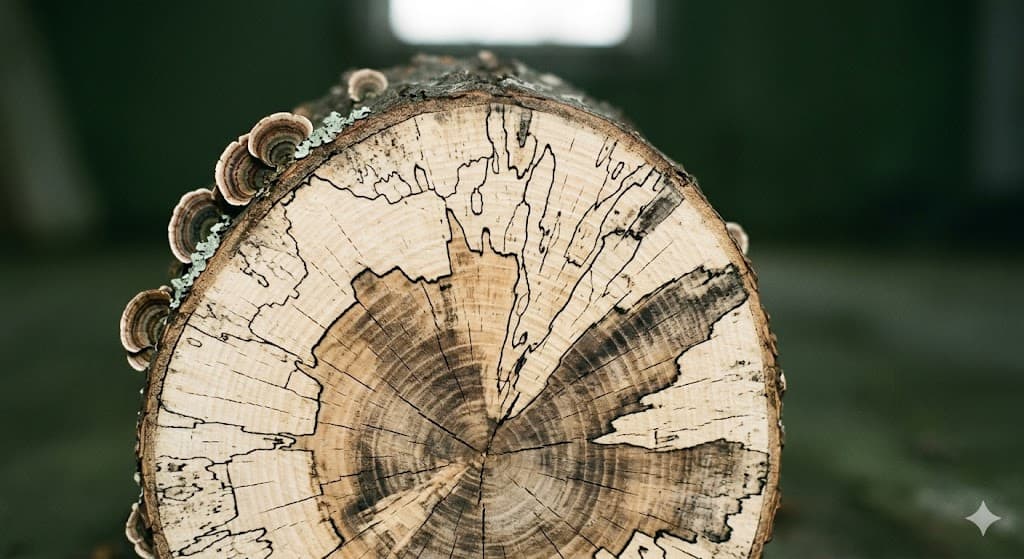
A spalted bowl is the record of an argument. Two or three colonies of fungi have taken up residence in a fallen log, each defending its territory against the others. Where they meet, each colony lays down a thin black wall — a melanized barrier of dead and dying hyphae that keeps the neighbor's enzymes out of its food. Those walls are the famous black lines. Cut the log open, and the argument turns into a drawing.
Who is doing the drawing
The lines are the work of ascomycete fungi, most often dead man's fingers (Xylaria polymorpha) and a few of its cousins. The pale, bleached background around them is the work of a different group — white-rot basidiomycetes such as turkey tail (Trametes versicolor) — which break down the brown lignin in the cell walls and leave the bright cellulose behind. A third class, the soft-rot and brown-rot fungi, do less drawing and more eating. A turner wants the first two and not much of the third.
The wood matters as much as the fungus. American beech is the queen of spalt: dense, pale, full of starches the fungi can use. Sugar maple, paper birch, the occasional yellow birch and white pine. The diffuse-porous hardwoods of the second forest are the best canvases. The wood needs to be dead, but only just — a board that has dried below twenty percent moisture is too dry to feed anything, and a log that has lain a year in standing water has fed too many things at once.
The window
Spalting wants three things: oxygen, around seventy degrees Fahrenheit, and roughly twenty-five percent moisture content. Most New Hampshire beech finds these on a barn floor, in a damp basement, or under the leaf litter of a brush pile after a wet October. The window between blank wood and good spalt is six to eighteen months. The window between good spalt and punky, structurally compromised wood is shorter, sometimes only weeks in summer.
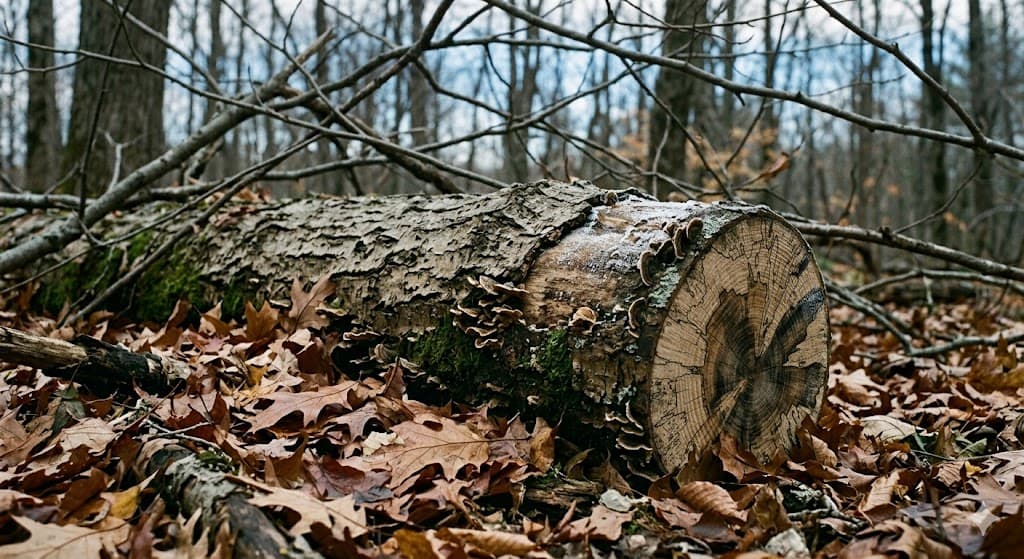
“A spalted bowl is wood that was almost lost, caught in the middle of being given back.”
You learn to read the window by hand. A finger pressed firmly into the end grain should leave no print. A chip lifted with a chisel should ribbon, not crumble. A board run through the bandsaw should sing, not chatter. The first time a piece of figured beech crumbles in the chuck — and it will — is the lesson.
On safety
Spalted wood holds living and dormant fungi, and the dust from cutting and turning it carries spores. A dust mask rated N95 or better is the rule, and a powered respirator is better. A few of the species that show up in damp wood — among them some Aspergillus and Stachybotrys — are not benign. The romance of the figure does not extend to the lungs.
Why it is worth all of this
A spalted bowl is, in the end, a kind of collaboration. The tree grew the wood. A storm took the tree. Three or four fungi argued over what was left of it. The turner arrived in the narrow week when the argument made a drawing and the wood was still strong enough to hold a tool. The lathe finished the line the fungus had started.
From this writingThe bench
See the pieces it
points to.
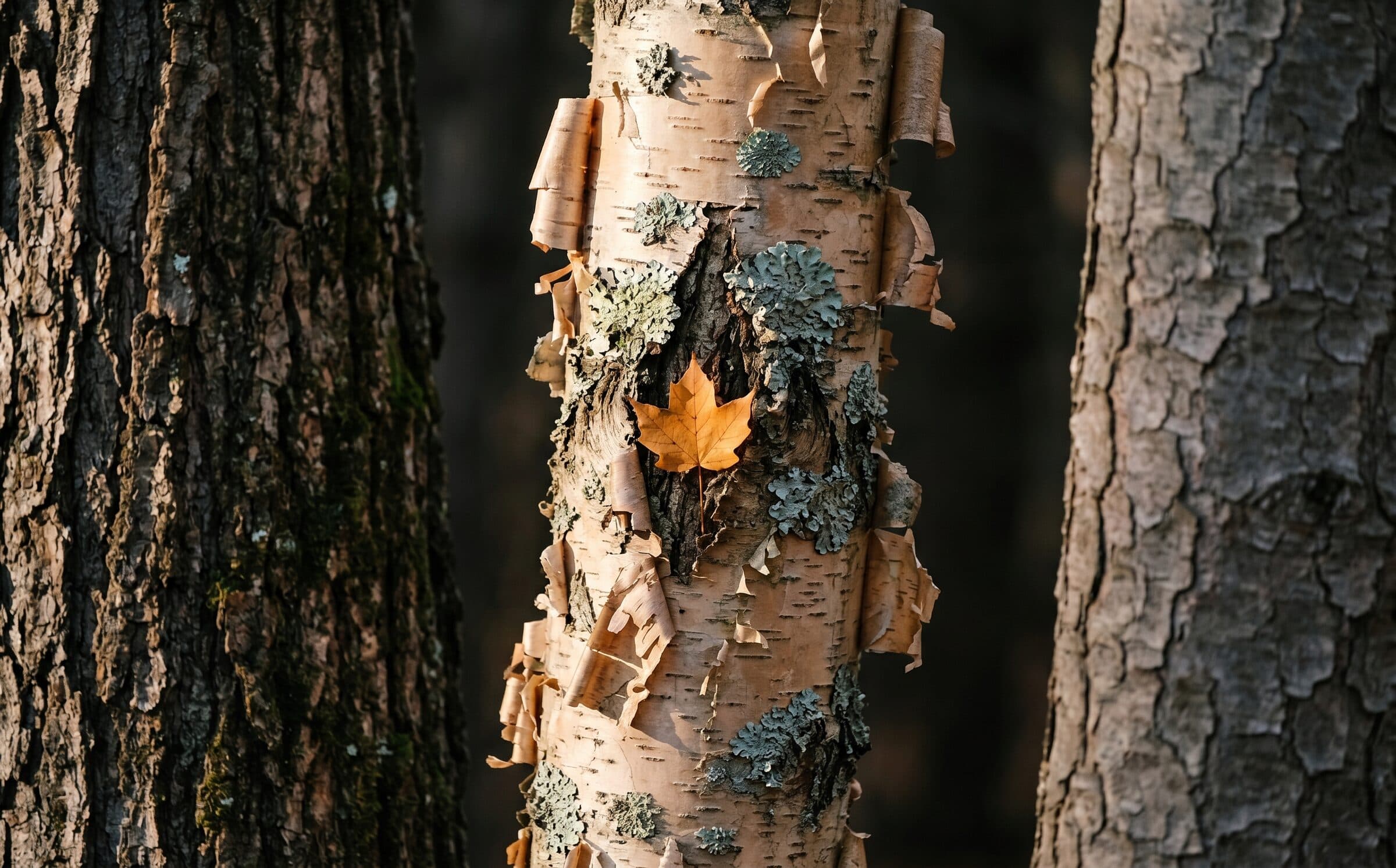
Every wood in this post is on the bench right now. Birch, maple, cherry burl, walnut, beech, and white pine.
Browse the bench