
The lathe is loading the wood
The lathe is loading the wood
Chapter I.The Workshop
SNG Woodwork is the workshop of Shiloh N. Gray, a wood turner working out of the Lakes Region of New Hampshire. Bowls, hollow forms, and vessels. All hand-turned, all one of one, all from wood the forest gave up on its own.
I.Source
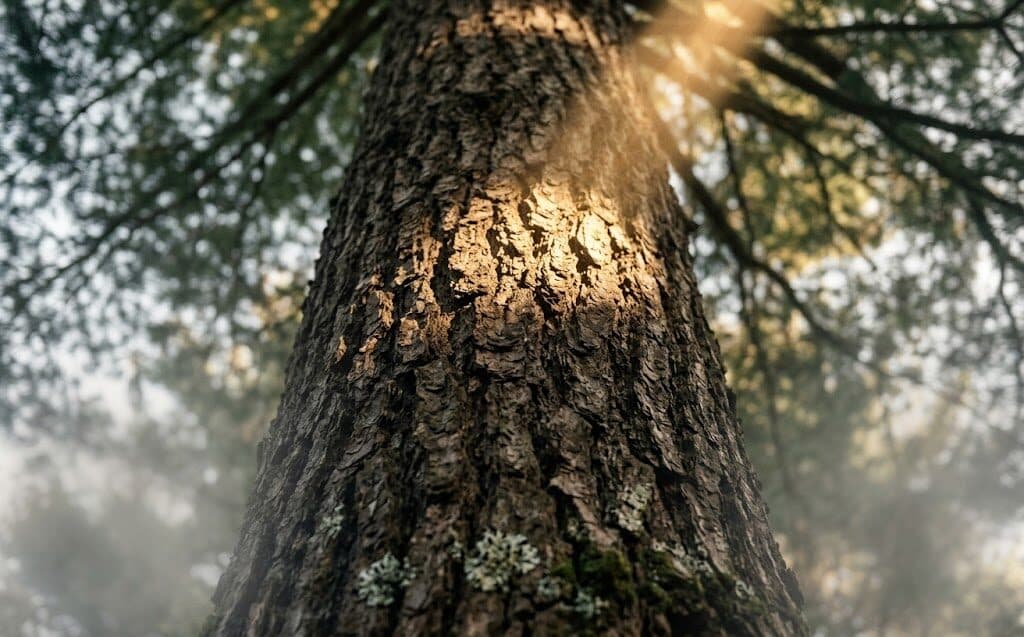
No tree is cut for craft. Every piece begins as wood the forest had already let go of. An ice-fall birch in Sanbornton, a yard tree in New Hampton taken for a driveway, a cherry burl found drying on a logging spur in Meredith or Plymouth.
II.Method
Pieces are turned green when possible, dried slowly in the workshop, then re-turned and finished by hand. No CNC, no production runs. The lathe just lifts what is already in the grain.
III.Practice
This is slow work, by choice. Turning a bowl is what shows up the next day, and the day after. The discipline of the lathe is part of why the workshop exists.
The benchA small shop
The shop sits in Sanbornton, in the Lakes Region, on a road that ends in a logging trail. A wood lathe, a sharpening jig, a few gouges ground a particular way, a stack of green logs under a tarp. A kettle, almost always on.
The pieces here move at the speed of the wood. A bowl turned green takes a season to dry. Spalted beech needs another season after that. A burl waits longer. The shop's pace isn't productivity. It's the other thing. Care, attention, repetition. The lathe is honest in a way most things aren't.
A burl is a tree's answer to injury. A chaotic, swirled mass of grain that grows where the wood was once wounded. They're uncommon enough that finding one feels like a gift, and ugly enough on the outside that most people walk past them.
Most of the burls here come from walking. Old logging spurs in Ashland, class-VI roads in Plymouth, the edge of a wetland in the late fall when the leaves are down and every bulge in a tree is visible from a hundred feet. Knock. Note. Come back when the tree comes down on its own, or when a landowner calls.
Wood turning is, on a good day, a meditation. The lathe spins; a gouge meets the wood; a curve emerges. There is no way to rush it, and there is no way to fake it. You either show up, or you don't.
That part. Showing up. It is what the workshop is for. The bowls are what's left after a day spent at the lathe instead of somewhere else.
Shiloh N. Gray works at this bench almost every day. The pieces are the result. The practice is the point.
If a finished bowl carries any of that into a kitchen or onto a shelf, then the work was honest.